Scratch, Peck, Profit: How to Run a Backyard Chicken Flock That Actually Earns Its Keep
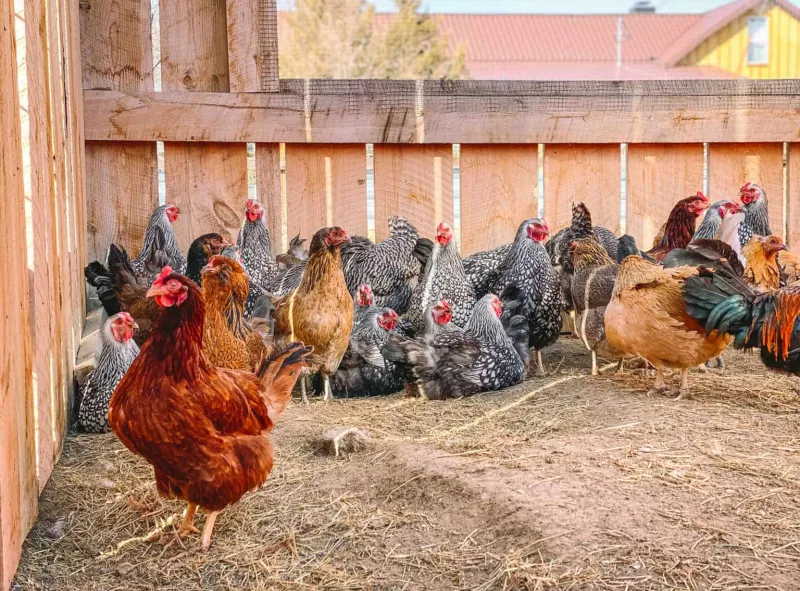
Photo: backyard chickens laying hens in rustic coop homestead, via www.theprairiehomestead.com
Every homesteader has a chicken story. Maybe it's the neighbor who swears her six hens pay for themselves in eggs alone. Maybe it's the guy on the county forum who spent $2,000 on a Pinterest-worthy coop and now jokes that he's eating the most expensive omelets in the state. The truth, as usual, lands somewhere in the middle — and with the right planning, your chicken operation really can break even and then some.
Let's talk about what it actually takes to get there.
Start With the Right Coop — Not the Prettiest One
The biggest financial mistake new chicken keepers make is overbuilding the coop. There's nothing wrong with a good-looking setup, but if you're spending $1,500 on a prefab coop for six hens before you've bought a single bird, you've already set your payback timeline back by years.
A functional coop needs four things: protection from predators, adequate ventilation, easy access for cleaning, and enough space for your flock. The general rule of thumb is 4 square feet of indoor space per bird and 10 square feet of outdoor run space. A 6-to-8-hen starter setup can be built solid and predator-proof for $300–$500 using reclaimed lumber, hardware cloth, and basic tools — especially if you're doing the labor yourself.
Hardware cloth (not chicken wire — chicken wire keeps chickens in, it doesn't keep predators out) on the run, a secure latch system, and a raised floor go a long way toward protecting your investment. Raccoons, foxes, and hawks are clever. Build like they're trying to get in every night, because they are.
Choosing Breeds for Your Climate and Goals
Breed selection matters more than most beginners realize. Not all chickens are built for all climates, and not all breeds are optimized for the same output.
If you're in the Upper Midwest or Northeast where winters are harsh, cold-hardy breeds like Rhode Island Reds, Black Australorps, and Buff Orpingtons are workhorses. They lay consistently through cooler months and handle frost without drama. In the South or Southwest, heat-tolerant breeds like Leghorns or Easter Eggers tend to do better and won't slow down egg production during summer heat waves the way heavier birds sometimes do.
For dual-purpose operations — meaning you want both eggs and meat — Barred Plymouth Rocks and Delaware chickens are solid picks. They grow to a respectable size for processing while still delivering a decent egg count. If pure egg production is your priority, Leghorns and sex-link hybrids (Red Stars, Black Stars) are hard to beat, often producing 280–300 eggs per year per hen under good conditions.
The Real Cost of Keeping Chickens
Here's where a lot of homestead blogs gloss over the details. Let's be honest about what you're spending.
A laying hen eats roughly 1/4 pound of feed per day. At current feed prices averaging $20–$25 for a 50-pound bag, that works out to roughly $1.50–$2.00 per hen per month in feed costs alone — or about $18–$24 per year per bird. Multiply that across a flock of eight hens and you're looking at $144–$192 annually just in feed.
Add in bedding ($50–$80/year), occasional vet costs or medications, replacement feeders and waterers, and the amortized cost of your initial coop investment, and a realistic annual operating cost for a small flock of eight hens lands around $400–$600 per year.
Now for the other side of the ledger: eight productive hens at their peak can deliver 6–7 dozen eggs per week. At $5–$6 per dozen for farm-fresh eggs (a very realistic price at farmers markets or through direct sales to neighbors and coworkers), that's $30–$42 per week — or roughly $1,500–$2,000 per year in potential egg value.
Even if half your eggs go to your own household at no charge, you're still looking at a meaningful offset. And if you're selling surplus eggs, the operation can realistically break even within the first 12–18 months once your coop is paid off.
Common Mistakes That Kill Your Margins
Beyond the overbuilt coop problem, here are the pitfalls that trip up new flock owners most often:
Keeping non-productive birds too long. Hens typically lay well for two to three years, then production drops sharply. Sentimental attachment is understandable, but if you're running a homestead operation rather than a pet sanctuary, you need a plan for aging hens — whether that's processing them for stew meat or rehoming them.
Ignoring predator losses. Losing three hens to a fox in one night isn't just emotionally rough — it's a $60–$90 hit plus lost future egg production. Invest in your coop security upfront.
Free-ranging without management. Free-ranging can dramatically cut feed costs (sometimes by 30–50% during the growing season), but unmanaged free-ranging leads to hens laying in random spots, garden destruction, and higher predator exposure. Rotational grazing with portable electric fencing gives you the best of both worlds.
Starting too big. Six to eight hens is the sweet spot for most backyard operations. It's enough to generate meaningful egg production without overwhelming you with management responsibilities while you're still learning the rhythm of flock care.
A Realistic Timeline
Here's what the first two years typically look like for a well-managed small flock:
- Month 1–2: Coop build and chick purchase. Upfront costs of $400–$700.
- Month 5–6: First eggs from pullets (young hens). Production ramps up over the following month.
- Month 8–12: Full production. You're offsetting feed and supply costs with egg sales or household savings.
- Month 14–18: Depending on your coop costs, you're approaching break-even on the full initial investment.
- Year 2 and beyond: Ongoing annual operating costs ($400–$600) are significantly offset by egg production value. If you're selling eggs, you're likely netting a modest but real return.
The Bigger Picture
Numbers aside, backyard chickens deliver value that doesn't show up on a spreadsheet. They turn kitchen scraps into eggs. They aerate and fertilize your garden. They give kids a hands-on lesson in where food comes from. And there's something genuinely satisfying about walking out to the coop on a cold morning and coming back in with a basket of fresh eggs.
A well-run chicken operation isn't going to replace your income, but it absolutely can pull its weight on a working homestead. Build smart, choose the right breeds for your region, manage your costs honestly, and you'll find that these birds earn their feed — and then some.