Cut, Split, Stack: How to Turn Your Woodlot Into a Lifetime Supply of Free Heat
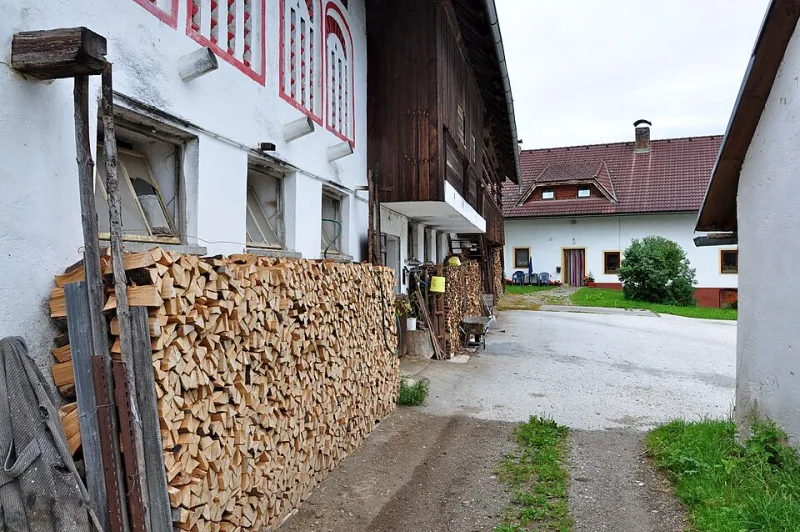
Photo: Johann Jaritz, CC BY-SA 3.0, via Wikimedia Commons
There's something deeply satisfying about heading into the woods behind your house, dropping a dead oak, and knowing that tree is going to heat your home for the next two winters. No utility bill. No propane delivery. No middleman. Just you, your land, and a little elbow grease.
Managing your own woodlot for firewood isn't complicated, but it does take some planning. Done right, you can pull heat-producing timber from your property year after year without ever depleting what you've got. Done wrong, you'll either strip your land bare or spend years burning wood that smokes more than it heats. Let's make sure you do it right.
Know What You're Working With Before You Start Cutting
Not all trees are created equal when it comes to firewood. Hardwoods — oak, hickory, ash, maple, black locust — are the gold standard. They burn hot, produce good coals, and give you long burn times. Softwoods like pine, spruce, and fir ignite faster and are great for kindling or getting a fire started, but they burn through quickly and can leave more creosote buildup in your chimney if burned exclusively.
Before you fire up the chainsaw, walk your woodlot and take stock. Look for:
- Dead or dying trees — These are your first targets. They're already seasoning on the stump and present a safety hazard if left standing near structures or paths.
- Overcrowded areas — Thinning dense sections of your woodlot actually improves the health of the remaining trees by reducing competition for light and nutrients.
- Invasive species — Cutting invasives like tree of heaven, autumn olive, or black locust (where it's not native) serves double duty: you're clearing problem plants and gaining decent firewood.
A good rule of thumb for sustainable harvesting is to remove no more than 20–30% of your standing timber in any given year. This gives your woodlot time to regenerate and keeps your forest ecosystem intact.
The Right Tools Make All the Difference
You don't need a logging operation to work your woodlot — but you do need the right equipment. Here's what most homesteaders rely on:
Chainsaw: A mid-size saw in the 40–50cc range handles most firewood work just fine. Brands like Husqvarna, Stihl, and Echo are popular in the homesteading community for their reliability. Always keep your chain sharp — a dull chain is slower, harder on the engine, and more dangerous.
Log splitter: Unless you enjoy splitting by hand (and some folks genuinely do), a 25–30 ton log splitter makes quick work of rounds. Hydraulic splitters can be rented or purchased, and they pay for themselves fast compared to buying split cordwood.
Maul and wedge: Even if you have a powered splitter, keep a splitting maul around. It's quieter, needs no fuel, and is perfect for smaller rounds or when you just need a handful of pieces.
Log cart or ATV with trailer: Getting wood from the forest to your stacking area is where a lot of homesteaders underestimate the labor involved. A simple ATV trailer or even a sturdy garden cart saves your back considerably.
Don't forget safety gear: chaps, steel-toed boots, a hard hat with face shield, and hearing protection. Every time, no exceptions.
Timing Your Harvest
The best time to cut firewood is late winter through early spring — right after the coldest stretch has passed but before trees leaf out. Sap content is lower during this period, which means your wood will season faster once it's cut and split.
Summer cutting works too, especially for dead or downed trees. The key is getting the wood split and stacked with good airflow as soon as possible after cutting.
Fall cutting is the least ideal if you're hoping to burn that wood the same winter. Freshly cut hardwood needs at least 6–12 months of seasoning — and some dense species like oak do better with 18–24 months. Burning green wood is a common beginner mistake that leads to poor heat output, excessive smoke, and dangerous creosote buildup.
Seasoning and Storage: Don't Shortcut This Step
Proper seasoning is what separates firewood that heats your house from firewood that fills your living room with smoke. Here's how to do it right:
- Split it promptly. Whole rounds season much more slowly than split pieces. Get them split within a few weeks of cutting.
- Stack it off the ground. Use pallets, concrete blocks, or purpose-built log racks to keep your wood off the soil. Ground contact leads to rot and encourages insects.
- Allow airflow. Don't pack stacks too tightly, and leave space between rows if you have multiple stacks. Air circulation is what drives moisture out.
- Cover the top, not the sides. A tarp or metal roofing over the top of your stack keeps rain off without trapping moisture inside. Wrapping the whole pile promotes mold.
- Face it south. If possible, position your stacks to catch southern sun exposure — it speeds drying significantly.
Well-seasoned wood has visible cracks on the end grain, feels noticeably lighter than green wood, and makes a sharp clunking sound when two pieces are knocked together rather than a dull thud.
What Does It Actually Cost Compared to Buying Cordwood?
In most parts of the US, a cord of split, seasoned hardwood runs anywhere from $250 to $450 depending on region and species. A typical home burning wood as a primary heat source might go through 3–6 cords per winter. That's potentially $1,500–$2,700 per heating season if you're buying it all.
When you manage your own woodlot, your costs drop to fuel for your chainsaw and splitter, routine equipment maintenance, and your time. Most homesteaders who heat primarily with wood they harvest themselves report breaking even on equipment costs within two to three seasons — and after that, their heat is essentially free.
Managing for the Long Haul
The real magic of woodlot management is the long game. When you harvest selectively and let your forest regenerate, you're building a system that produces fuel indefinitely. Plant fast-growing species like hybrid poplar or black locust in open areas to build future wood supply. Let coppiced stumps (trees cut near the ground) resprout — many hardwoods will send up multiple new shoots from an established root system, producing harvestable wood again in just 8–15 years.
Keep a simple map or log of where you've harvested each year. Rotating your cutting areas gives each section time to recover before you return to it.
Your woodlot isn't just a fuel source — it's a living part of your homestead. Treat it well, and it'll keep you warm for generations.