Small Animal, Big Payoff: Why Rabbits Are the Perfect First Livestock for Your Homestead
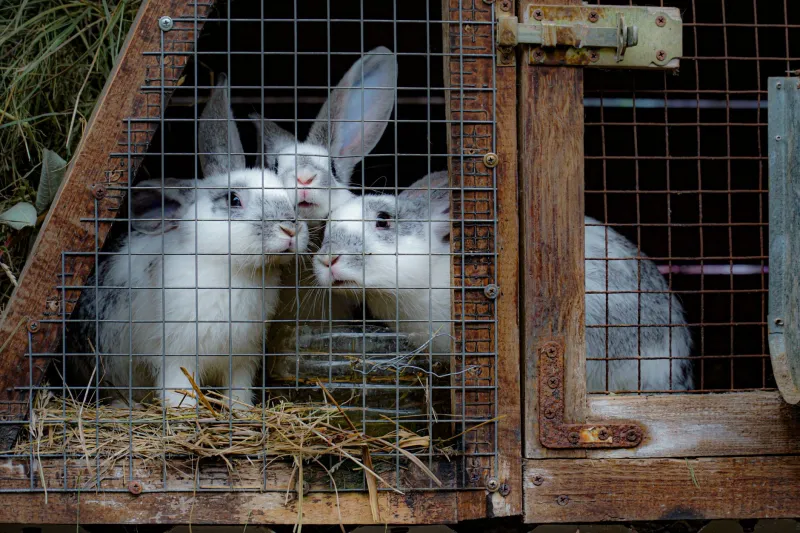
If you've been eyeing goats or cattle but keep hitting the wall on space, budget, or local ordinances, it might be time to look a little closer to the ground. Rabbits don't moo, they don't need a pasture, and they can live comfortably in a well-built backyard hutch. But don't let their size fool you — a small rabbitry can produce a surprising amount of meat, usable fur, and some of the best garden fertilizer money can't buy.
For beginner homesteaders who want real, tangible results without the steep learning curve of larger animals, rabbits are genuinely hard to beat. Let's walk through everything you need to get started.
Picking the Right Breed for What You Want
Not all rabbits are built the same, and breed selection matters a lot depending on your goals.
If meat production is your primary focus, the New Zealand White is the gold standard in American rabbitries. They grow fast, dress out well, and have calm temperaments that make handling easier. The Californian is another excellent dual-purpose option with a slightly leaner carcass. For smaller homesteads or folks who want a more heritage-style operation, Rex and Flemish Giant breeds are worth a look — the Flemish Giant can reach 15+ pounds, though they take longer to mature.
If you're interested in fur, Rex rabbits are the standout choice. Their velvet-like pelt is genuinely marketable and beautiful to work with. For folks who want to raise rabbits primarily for fiber, the Angora breeds produce wool that can be harvested without processing the animal.
For most beginners starting a meat-focused operation, New Zealand Whites or Californians are the practical recommendation. They're widely available from breeders across the US, they're forgiving for first-timers, and they convert feed to muscle efficiently.
Setting Up a Hutch That Actually Works
Rabbits don't need fancy accommodations, but they do need a setup that keeps them safe, dry, and comfortable year-round.
A good hutch has a few non-negotiables:
- Wire flooring with a resting board or mat — this keeps manure dropping through for collection while protecting their feet
- Protection from predators — raccoons, foxes, and even neighborhood dogs will absolutely target a poorly secured rabbitry
- Shade and ventilation — rabbits handle cold better than heat; temperatures above 85°F can cause serious stress and even death
- Individual housing for breeding does — does can be territorial and will fight if housed together
For a small starter operation, a row of 30x30x18 inch wire cages elevated off the ground works well. You can build a simple frame yourself from lumber, and the wire panels are inexpensive and widely available at farm supply stores. Add a drip-style water system and hanging feeders, and you've got a clean, manageable setup.
In colder northern states, plan for a simple windbreak or insulated shed for winter. Rabbits can handle frost just fine, but sustained bitter wind combined with wet conditions is where problems start.
Understanding the Breeding Cycle
Here's where rabbits earn their reputation for productivity. A healthy doe can be bred at around 5-6 months of age and carries her litter for just 31 days. She can safely be rebred within a few weeks of kindling (giving birth), and a typical litter runs 6-10 kits.
For a sustainable meat operation, most small homesteaders aim for 4-5 litters per doe per year, letting her rest adequately between cycles. With three breeding does and one buck, you could realistically produce 70-100 fryers annually — that's a meaningful amount of protein for a family freezer.
Meat rabbits are typically processed at 8-12 weeks, when they reach roughly 4-5 pounds live weight. The dress-out ratio is around 50-55%, so you're looking at roughly 2-2.5 pounds of meat per fryer. That's lean, mild-flavored protein that works well in any recipe calling for chicken.
Keep a simple breeding log — just a notecard per doe tracking breeding dates, kindling dates, and litter sizes. It takes two minutes and saves a lot of guesswork.
Humane Processing: Doing It Right
This is the part that makes some folks hesitant, and that's understandable. But if you're committed to raising your own food, processing rabbits is one of the more straightforward skills to learn.
The most widely used and humane method for home processors is cervical dislocation, which results in an instant, painless death when done correctly. Many experienced homesteaders learn this technique from a mentor or through reputable agricultural extension resources — your local land-grant university extension office is a great starting point.
After dispatch, rabbits are skinned and gutted in a process that takes experienced hands about 10-15 minutes. The carcass can go straight to the refrigerator or be processed into cuts for the freezer. Unlike poultry, there's no scalding required, which makes the whole process considerably cleaner.
If you're nervous about starting, connect with a local 4-H rabbit program or a homesteading group in your area. Learning hands-on from someone who's done it a hundred times is worth more than any written guide.
The Garden Gold Nobody Talks About: Rabbit Manure
Here's the part that often surprises new rabbit keepers: the manure. Rabbit droppings are what farmers call a "cold" manure, meaning they won't burn your plants even when applied fresh. Unlike chicken or hog manure, you can go straight from the hutch to the garden bed without composting first.
Rabbit manure is high in nitrogen, phosphorus, and potassium — the core nutrients plants crave. It also improves soil structure over time, adding organic matter that helps with both water retention and drainage.
For a small rabbitry producing even a dozen animals, you'll have more garden amendment than you know what to do with. Many homesteaders place collection trays under their wire cages and empty them weekly into the compost pile or directly into raised beds. It's a closed-loop system that costs nothing and gives back enormously.
Feed, Costs, and Realistic Expectations
Rabbits are relatively inexpensive to feed. A good commercial pellet diet supplemented with hay and occasional garden scraps keeps them healthy and growing. Expect to spend roughly $15-25 per month per breeding doe on feed, depending on your region and whether you're sourcing locally.
Start-up costs for a small rabbitry — cages, feeders, waterers, and your initial breeding stock — typically run $200-500 depending on how much you build yourself versus buy. That's a fraction of what you'd spend getting into goats or hogs.
The return on investment is real, but so is the time commitment. Rabbits need daily feeding and watering, regular health checks, and clean housing. It's not a set-it-and-forget-it operation. But the daily chore time for a small rabbitry is measured in minutes, not hours.
Getting Started
If rabbits sound like the right fit for your homestead, start small. Two does and one buck give you a working operation without overwhelming you in year one. Source your breeding stock from a reputable local breeder rather than a pet store — you want animals bred for production, not companionship.
Visit your county extension office for local regulations, especially if you're in a suburban or semi-rural area. Many municipalities allow small rabbitries even where other livestock is restricted.
Rabbits won't replace a beef cow in your freezer, but for a beginner looking to put real homegrown food on the table with minimal land, minimal cost, and a quick learning curve — they just might be the smartest first step you take.