Got Milk? Here's How Homesteaders Are Making Butter, Cheese, and Real Food Independence
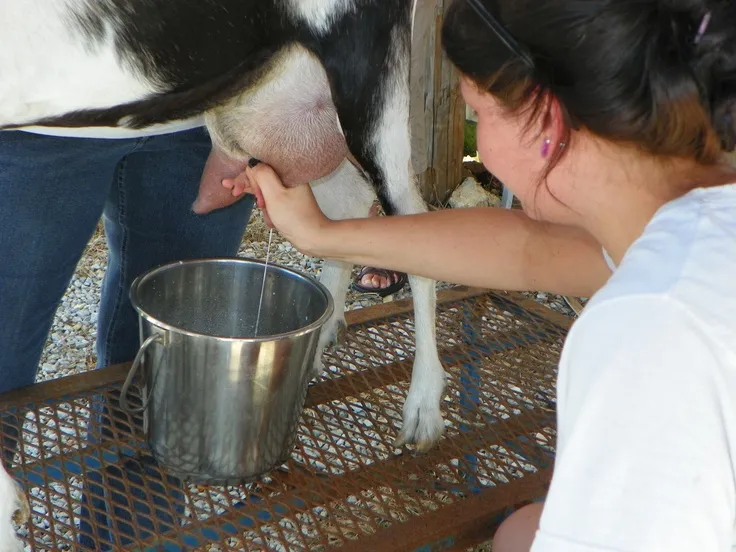
Photo: homestead dairy goat milking fresh cheese making farm, via i.pinimg.com
There's a moment that every home dairy farmer talks about — the first time you spread butter on toast that you churned yourself, from milk that came from an animal you raised. It sounds a little romanticized until it happens to you. Then you get it. That moment is why people wake up before sunrise to milk a goat in January.
Home dairy production is one of those homestead ventures that changes how you think about food. It's not just about saving money (though you will). It's about understanding where your food comes from and having real control over what goes into it. If you've been curious but not sure where to start, this guide is for you.
Picking Your Animal: Goats, Cows, and the Underrated Dairy Sheep
The animal you choose will shape your entire dairy operation, so it's worth thinking through carefully.
Dairy goats are the most popular starting point for homesteaders, and for good reason. Breeds like Nubian, LaMancha, and Nigerian Dwarf are manageable in size, friendly in temperament, and productive enough to supply a family with fresh milk daily. A good dairy doe can produce one to two gallons per day at peak lactation. Goats are also easier on fencing and pasture than cattle, making them a practical fit for smaller properties.
Dairy cows are the big leagues. A single family cow — think a Jersey or Dexter — can produce two to five gallons a day, which is more than most families can drink fresh. That surplus is what makes cheese-making, butter production, and cream-based cooking truly sustainable. The tradeoff is space, feed costs, and the sheer size of the animal. Cows are a bigger commitment, but for homesteaders with the land and experience, the output is unmatched.
Dairy sheep are flying under the radar in the US homesteading community, but they deserve a closer look. East Friesian and Lacaune crosses are proven producers. Sheep's milk is naturally higher in fat and protein than cow's or goat's milk, which makes it exceptional for cheese. If you're already keeping sheep for wool or meat, adding a dairy component is a relatively low-effort expansion.
What the Law Says (and Why It Matters)
Before you buy your first doe or heifer, take a few minutes to look up your state's raw milk laws. Regulations vary significantly across the country. Some states — like California, Pennsylvania, and New Mexico — allow the retail sale of raw milk. Others permit farm-direct sales only. A handful of states still prohibit raw milk sales entirely for human consumption.
For personal use on your own homestead, you generally have wide latitude regardless of where you live. But if you ever want to sell milk, cream, or dairy products — even informally — you'll want to know exactly where your state stands. The Farm-to-Consumer Legal Defense Fund maintains an up-to-date map of state regulations that's worth bookmarking.
The bottom line: know the rules before you build your operation around selling anything.
Equipment You Actually Need (and What You Can Skip)
You don't need a commercial dairy setup to get started. Here's what genuinely matters:
- A stainless steel milking pail. Plastic holds odors and bacteria. Stainless is the standard for a reason.
- A milk strainer and filters. Even hand-milking introduces debris. Straining is non-negotiable.
- A refrigerator dedicated to milk. Fresh milk needs to be cooled quickly — ideally to 38°F within an hour of milking.
- Canning jars or food-grade storage containers. Half-gallon wide-mouth mason jars are a homestead staple for a reason.
- A basic cheese press. If you're making hard cheeses, you'll need one eventually. Start with a simple weighted press before investing in anything fancy.
- A dairy thermometer. Precise temperature control is critical for pasteurizing (if you choose to) and for cheese cultures to work correctly.
You can skip the electric milking machine until your herd grows. Hand-milking one or two animals is genuinely achievable — most experienced homesteaders can milk a goat in under ten minutes.
Butter: The Easiest Win in Home Dairy
If you want a fast confidence boost, start with butter. Let fresh whole milk sit in the refrigerator for several hours and the cream will rise to the top. Skim it off, let it come to room temperature, then shake it or blend it until it breaks — separating into butter and buttermilk. Rinse the butter under cold water, knead out the remaining liquid, add a pinch of salt if you like, and you're done.
The flavor difference between homemade butter and the grocery store version is not subtle. Cultured butter — made by letting the cream ferment slightly before churning — has a tangy, complex richness that's genuinely hard to describe until you've tasted it.
Cheese: Where Things Get Interesting
Cheese-making is a deep rabbit hole, and most homesteaders find it completely addictive once they start. The good news is that beginner-friendly fresh cheeses require minimal equipment and very little aging.
Chèvre (fresh goat cheese) is the classic starting point. Warm the milk, add a starter culture and a small amount of rennet, let it set overnight, drain through cheesecloth, and season to taste. The whole process takes less than 24 hours and the result is a creamy, spreadable cheese that's excellent on crackers, in salads, or folded into scrambled eggs.
Farmhouse cheddar is a natural next step once you're comfortable with the basics. It requires a cheese press and several months of aging, but the process is more approachable than most people expect. The satisfaction of cutting into a wheel of cheddar you made yourself — six months after you started it — is hard to beat.
Preserving Dairy Beyond the Fridge
Fresh milk is perishable, but there are solid preservation strategies beyond just refrigeration. Cultured products like yogurt, kefir, and sour cream extend the life of fresh milk while adding beneficial bacteria. Butter can be salted and stored in the freezer for months. Hard cheeses, properly waxed or vacuum-sealed and aged correctly, last considerably longer — sometimes years.
For homesteaders thinking about food security, a reliable dairy animal is one of the best insurance policies you can have. Even in lean times, a productive goat or cow keeps fresh, high-quality protein and fat on the table.
The Honest Truth About Home Dairy
It's not always easy. Animals need milking twice a day, every day, including holidays. You'll need a plan for when you travel. Mastitis happens. Breeding schedules affect milk production. There's a learning curve, and early mistakes are part of the process.
But ask any homesteader who's been doing this for a few years whether they'd go back, and you'll almost never hear a yes. Home dairy has a way of anchoring your daily routine to something real and meaningful — a rhythm that connects you to your land, your animals, and your food in a way that's genuinely hard to replicate any other way.