Land Smart: What Every First-Time Homesteader Must Know Before Buying Raw Property
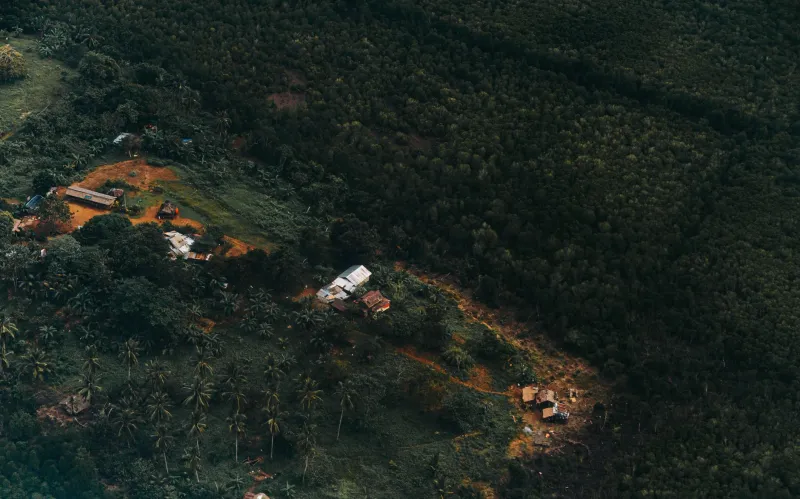
There's a particular kind of excitement that hits when you pull off a gravel road, step out of your truck, and look out over a stretch of raw land that could — just maybe — be your homestead. The trees are right. The creek sounds close. The price feels almost too good.
That feeling is real. But so is the hard truth that dozens of would-be homesteaders learn every year: beautiful land and productive land are not the same thing. The difference between a thriving homestead and a money pit often comes down to questions most buyers never thought to ask.
Here's how to ask the right ones.
Start With Water — Everything Else Is Secondary
Water is the single most important factor on any piece of rural property. Before you think about acreage, timber, or soil quality, you need to know where your water is coming from and whether you'll actually have reliable access to it.
Start by asking whether the property has an existing well. If so, get a well report — you want to know the depth, yield (gallons per minute), and the age of the pump. A well that produces less than 3 GPM can seriously limit what you're able to do on the land. If there's no well, ask the seller and neighboring landowners what depth wells typically hit in the area. Drilling a well can run anywhere from $5,000 to $25,000 depending on geology and depth, and that's not a surprise you want after closing.
Surface water is a bonus, but it comes with its own complications. A creek or pond on the property sounds great until you find out your state requires a permit to divert water for irrigation, or that the water rights were severed from the land decades ago. Yes, that's a real thing. In western states especially, water rights are often bought and sold separately from land. Always verify what you actually own.
If you're eyeing land in a wetter climate, check for seasonal flooding. FEMA flood maps are a starting point, but they're not gospel — many rural areas aren't mapped accurately. Talk to neighbors who've been there through a wet spring.
Soil Tells the Truth Your Eyes Can't
Green grass and big trees don't necessarily mean good growing soil. Rocky hillsides can support beautiful forests and terrible gardens. Clay-heavy bottomland can look lush and drain like a bathtub. You need data, not aesthetics.
The USDA's Web Soil Survey (websoilsurvey.usda.gov) is free and genuinely useful. Pull up any parcel and you'll get a breakdown of soil types, drainage class, and suitability for different uses — including cropland, pasture, and septic systems. That last one matters more than people realize. If the soil won't perc, you can't put in a conventional septic system, which means you're looking at an engineered alternative that can cost two to three times as much.
For a more hands-on assessment, bring a soil probe or even a long screwdriver when you walk the land. Push it into the ground in several spots. If you hit rock or hardpan within six inches, that's going to limit what you can do without serious amendment work. Dig a small hole in a promising garden spot and see what you're working with. Healthy topsoil should be dark, loose, and smell earthy. Orange or gray streaks in the subsoil often signal drainage problems.
If the land has been used for row crops or heavy grazing in recent decades, it may have compaction issues or depleted organic matter. That's fixable, but it takes time and investment.
Zoning and Deed Restrictions: Read Every Word
Zoning laws vary wildly from county to county, and what's allowed in one township may be flat-out prohibited in the next one over. Before you fall in love with a property, call the county planning and zoning office and ask specifically:
- Is agricultural use permitted?
- Can I keep livestock, and is there a limit on numbers or species?
- Are there restrictions on structures — barns, outbuildings, tiny homes, yurts?
- Is there a minimum acreage requirement for a residential dwelling?
- Are short-term rentals or farm stays allowed?
Deed restrictions and HOA covenants are a separate issue. Rural land in subdivided areas can carry deed restrictions that prohibit certain animals, limit building types, or even restrict how you can use the property commercially. These don't show up in zoning searches — you need to read the actual deed.
Easements are another thing to check carefully. A utility easement or a neighbor's right-of-way running through your best garden spot can be a real headache. Title searches will surface most of these, but ask your real estate attorney to walk you through every encumbrance line by line.
The Hidden Costs That Separate Good Deals From Bad Ones
A parcel listed at $1,500 an acre might look like a steal compared to the $3,000-an-acre property down the road. But price per acre only tells part of the story. Here's what experienced buyers factor in:
Road access. Is there a deeded easement to a public road, or are you counting on a handshake agreement with a neighbor? Landlocked parcels exist, and buying one is a legal and logistical nightmare.
Power. Running electric service to a remote property can cost $10,000–$50,000 or more depending on distance from the nearest line. Know this number before you assume off-grid solar is a choice rather than a necessity.
Timber value. If there's a significant timber stand, get a timber cruise done by a licensed forester. The value can offset land costs significantly — but also know whether the seller has already negotiated a timber lease that gives a logging company rights to harvest after you buy.
Mineral rights. In many states, mineral rights can be severed from surface rights. If someone else owns the minerals under your land, they may have the legal right to access and extract them. Ask directly whether mineral rights convey with the sale.
Taxes and ag exemptions. Find out the current property tax rate and whether the land qualifies for an agricultural or timber exemption. Losing an existing exemption after purchase can significantly increase your annual tax bill.
Walk It Twice, Talk to Neighbors Once
No amount of online research replaces time on the ground. Walk the full perimeter if you can. Look for trash dumps, old fuel tanks, or signs of chemical storage — environmental contamination is a real liability. Check fence lines. Look at what the neighboring properties are doing; a confined animal feeding operation upwind or uphill from your dream homestead changes the picture considerably.
And talk to the neighbors. Not to pump them for gossip, but because people who've lived near that land for years know things that won't show up in any document. They'll tell you which springs dry up in August, which fields flood in March, and whether the seller has a reputation for honesty.
The Right Land Is Out There
Finding a property that checks all the boxes takes patience. Most experienced homesteaders will tell you they looked at a dozen or more parcels before finding the right one — and that the deals they walked away from taught them just as much as the one they bought.
Don't let enthusiasm shortcut your due diligence. The homestead you build should last your lifetime and your children's. That kind of investment deserves a thorough look before you ever pick up a pen.