Wet Land, Real Money: How to Turn Soggy Acres Into a Thriving Aquaculture Operation
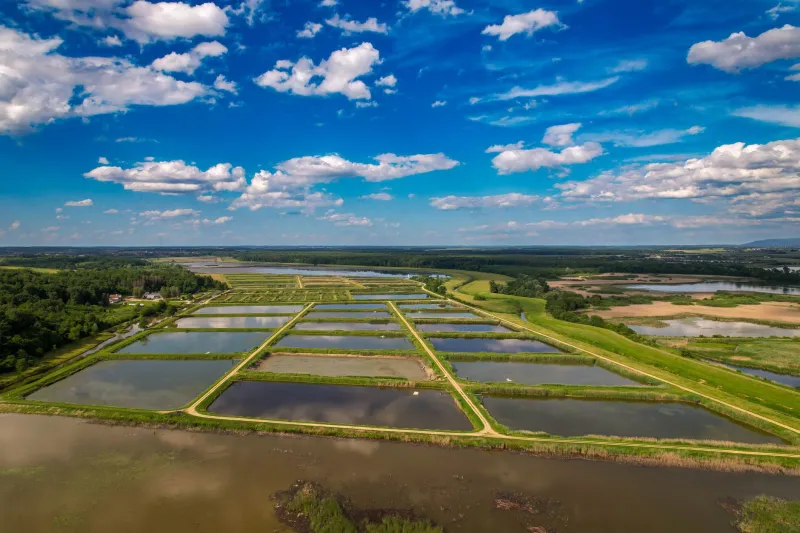
Most homesteaders look at a marshy, perpetually waterlogged patch of ground and see nothing but a headache. Boots get stuck, equipment gets bogged down, and conventional crops don't stand a chance. But here's the thing — that soggy corner might be the most undervalued piece of real estate on your whole property.
Wetland aquaculture is one of the oldest and most reliable food production systems on the planet, and it's making a serious comeback among self-sufficient homesteaders who are tired of leaving productive potential in the mud. Whether you're talking fish ponds, crawfish farming, or integrated duck operations, wet land doesn't have to be wasted land.
Let's walk through how to assess what you've got, navigate the legal side, build out the infrastructure, and actually make some money from it.
Start With a Honest Site Assessment
Before you start dreaming about catfish dinners or crawfish boils, you need to understand exactly what you're working with. Not all wet land is created equal, and the type of moisture you have will determine what kind of operation makes the most sense.
Ask yourself a few key questions:
- Is the water seasonal or year-round? A low spot that floods every spring and dries out by July is a different situation than a permanently saturated marsh.
- What's the water source? Runoff from fields might carry fertilizers or pesticides that complicate aquaculture. Spring-fed areas or those with clean groundwater are ideal.
- How much acreage are we talking? Even a quarter-acre pond can produce meaningful food and income. Crawfish can be raised in surprisingly small systems.
- What's the soil like? Clay-heavy soils hold water naturally and are ideal for pond construction. Sandy soils may require liners.
If you're not sure about soil composition or drainage patterns, your local USDA Natural Resources Conservation Service (NRCS) office is a free resource worth using. They can help you map your land, understand hydrology, and even connect you with cost-share programs for pond construction.
The Permitting Reality (Don't Skip This Part)
Here's where a lot of folks get tripped up — wetlands are regulated. The Clean Water Act and various state-level environmental protections mean you can't just start digging ponds or manipulating drainage without checking in with the authorities first.
The Army Corps of Engineers oversees wetland permitting at the federal level through their Section 404 permit process. Depending on what you're doing and where, you may also need state-level permits through your department of environmental quality or natural resources.
The good news: many small-scale agricultural pond projects qualify for nationwide permits that are faster and simpler than full individual permits. And in many cases, converting degraded or previously disturbed wetland for aquaculture purposes gets more favorable treatment than impacting pristine wetlands.
Bottom line — call before you dig. It's not as scary as it sounds, and getting compliant from the start protects your whole homestead operation down the road.
Three Aquaculture Systems Worth Considering
Fish Ponds
A well-built fish pond is about as close to a set-it-and-forget-it protein system as you'll find on a homestead. Channel catfish, bluegill, bass, and tilapia (in warmer climates) are all solid choices for beginners.
For a one-acre pond stocked at reasonable density, you can realistically harvest several hundred pounds of fish per year. That's food for your family plus potential sales to neighbors, local restaurants, or farmers markets — depending on your state's regulations around selling fish.
Pond construction typically runs $1,500 to $3,000 per acre for basic excavation and levee work, though costs vary significantly by region and soil type. Factor in aeration equipment (especially important in summer), fencing to keep predators out, and fish stock to start.
Crawfish Farming
If you're in the South — Louisiana, Texas, Mississippi, Arkansas — crawfish farming is a proven income stream that fits naturally into wet, low-lying land. Even outside the traditional crawfish belt, demand for live crawfish is growing, and niche markets are opening up.
Crawfish ponds typically operate on a flood-and-drain cycle tied to the seasons. You flood the pond in fall, harvest through winter and spring, then drain and sometimes rotate with rice or other crops in summer. The infrastructure is relatively simple — a good levee system, a water control structure, and harvesting traps.
A well-managed acre of crawfish pond can yield 800 to 1,200 pounds per season in productive years. At current market prices, that's real money from land that was otherwise sitting idle.
Duck Integration
For smaller, wetter areas that aren't quite right for full pond construction, a managed duck operation might be your best play. Ducks thrive in wet conditions, control insects and aquatic pests naturally, and produce eggs and meat — all while fertilizing the surrounding land.
Integrating ducks with a small fish pond is a particularly effective combination. Duck manure fertilizes the water, promoting the algae and insects that feed the fish. It's a closed-loop system that reduces your feed inputs and boosts productivity on both sides.
Breeds like Khaki Campbells, Pekin, and Muscovy are all popular homestead choices with strong production traits.
Infrastructure Basics
Regardless of which system you pursue, a few infrastructure elements are non-negotiable:
Water control structures let you manage water levels precisely — critical for seasonal operations and for draining ponds when you need to harvest or make repairs. A simple monk-style standpipe system works well for most small ponds.
Aeration keeps dissolved oxygen levels high enough to support healthy fish populations, especially during hot summers. Paddle wheel aerators or diffused air systems are the most common choices.
Perimeter fencing keeps out herons, otters, raccoons, and other wildlife that will absolutely find your fish pond if you don't protect it.
Access roads are easy to overlook but critical. You need to be able to get equipment and vehicles to your pond for maintenance, harvesting, and emergencies — especially when the surrounding land is soft.
Realistic Income Expectations
Let's be straight — aquaculture isn't a get-rich-quick scheme, but it is a legitimate income stream when managed well.
A one-acre catfish pond managed for direct sales can net $500 to $1,500 annually after expenses. A crawfish operation of similar size might gross $1,500 to $3,000 in a good year. These aren't life-changing numbers on their own, but combined with other homestead enterprises, they add up — and they're coming from land you were getting nothing from before.
The bigger win for most homesteaders is food security. A well-stocked pond provides a consistent, high-quality protein source that's largely independent of supply chains, grocery prices, or anything else going on in the outside world. That kind of resilience is hard to put a dollar figure on.
Start Small, Think Long-Term
You don't need to transform your entire wet acreage overnight. Start with a single pond or a small crawfish plot, learn the system, and expand from there. Talk to your county extension agent — most states with any significant aquaculture industry have specialists who can give you region-specific guidance for free.
What looked like a liability when you bought the place might just be the most productive corner of your homestead five years from now. All it takes is a willingness to work with the land instead of against it.