Milk Money: How to Build a Small-Scale Dairy Operation That Actually Pays
Most homesteaders get into dairy for the same reason — they want real milk, real butter, and real cheese without wondering what's been added to it. That's a great reason. But once you've got a Nubian doe or a family Jersey cow in steady production, something interesting happens: you've got more milk than your household can use, and you start wondering what to do with it.
Here's the honest answer: that surplus is a business opportunity. A real one. Small-scale dairy products — especially value-added goods made from whey and specialty milk — command prices that commodity dairy never will. You're not competing with the industrial dairy complex. You're offering something it literally cannot: fresh, local, small-batch, and traceable to a specific animal on a specific farm.
But turning milk into money takes more than a good recipe. It takes equipment decisions, regulatory awareness, and a clear-eyed look at what actually generates profit versus what just keeps you busy. Let's get into it.
Don't Let Whey Go to Waste
If you're already making cheese, you know the feeling — you've drained the curds, you've got a beautiful block of cheddar aging in the corner, and there's a big pot of cloudy liquid left over. That's whey, and most beginners pour it down the drain.
Stop doing that.
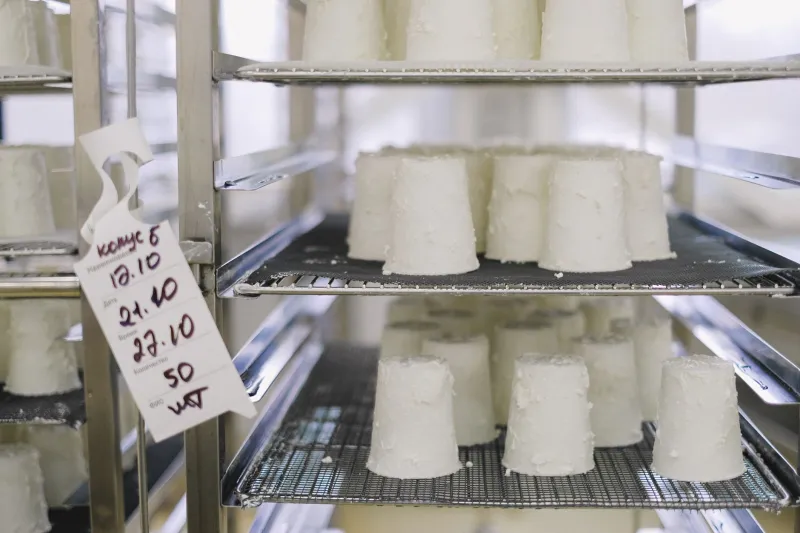
Whey is the most underutilized byproduct in small-scale dairy. The simplest use is ricotta — technically a "re-cooked" cheese, which is exactly what the name means in Italian. You heat the whey, add a splash of acid (white vinegar or lemon juice works fine), and the remaining proteins tighten into soft, creamy curds. Ricotta made this way is silky, mild, and genuinely superior to anything in a plastic tub at the grocery store. It takes maybe 30 minutes and costs you almost nothing, since the whey was already a byproduct.
Beyond ricotta, whey has real market value in other forms. Fermented whey — sometimes called whey brine — is used in traditional lacto-fermented vegetables and as a probiotic drink base. Fitness-conscious consumers pay a premium for raw, minimally processed whey protein. If you're in a state that allows direct sales from the farm, whey-based beverages and cultured drinks can be marketed as probiotic products, which is a category that's growing fast.
And don't overlook the non-food uses: whey makes an excellent garden fertilizer, a chicken feed supplement, and a natural cleaning rinse for wooden cutting boards. Even if you can't sell it, using it means nothing goes to waste.
Equipment: What You Actually Need vs. What Gets Marketed to You
The homestead dairy equipment market is full of beautiful stainless steel gear that looks impressive and costs accordingly. Some of it is worth every penny. Some of it is a solution to a problem you don't have yet.
Here's a practical breakdown:
What you genuinely need from the start:
- A good stainless steel stockpot (at least 10–12 quarts)
- An accurate thermometer — a clip-on dairy thermometer is ideal
- Cheesecloth or butter muslin (buy the tighter-weave muslin; cheesecloth from the grocery store is too loose)
- A colander and a few food-grade buckets
- A pH meter or pH strips if you're getting into cultured products
What can wait:
- A dedicated cheese press (a DIY press with a follower and weights works fine early on)
- A milk separator (useful if you're scaling up cream production, but not essential)
- A commercial-grade pasteurizer (only necessary if your state requires pasteurization for sales)
As you grow, a small chest freezer dedicated to aging rounds out your setup nicely. Proper temperature control is one of the biggest factors in consistent, safe cheese production — and it's something a lot of new dairy homesteaders underestimate.
Navigating the Legal Side of Home Dairy Sales
This is where a lot of people get tripped up, and it's worth spending some real time on before you sell your first jar of anything.
Dairy regulations in the US are managed at the state level, and they vary enormously. Some states — like California, New Mexico, and Arizona — have relatively clear pathways for small farms to sell raw or minimally processed dairy products directly to consumers. Others have outright bans on raw milk sales, and a few prohibit on-farm sales entirely.
The first step is to look up your state's Department of Agriculture rules for "cottage food" and "farm direct" dairy specifically. Cottage food laws, which cover many home-produced goods, often exclude dairy products entirely — so don't assume your state's cottage food exemption covers milk or cheese.
If you want to sell aged cheeses, the FDA's rule that raw milk cheeses must be aged a minimum of 60 days applies nationally. That covers most hard cheeses. Fresh cheeses — ricotta, chèvre, queso fresco — require pasteurized milk under federal law if you're selling them commercially.
For many homesteaders, the most practical legal path is a herdshare arrangement. Under a herdshare, customers purchase a share of your animal and pay you a boarding and care fee. They're technically receiving their own milk — not buying yours. Herdshares are legal in most states and sidestep many of the direct-sales restrictions that apply to commercial dairy. It's worth consulting your state's ag department or a local farm attorney before you structure one, but it's a well-established model that thousands of small farms use successfully.
Real Numbers: What the Margin Actually Looks Like
Let's talk money, because vague optimism doesn't pay the feed bill.
A mid-size dairy goat in peak production gives roughly a half-gallon to a gallon of milk per day. A family cow — say, a Jersey — can produce 3 to 5 gallons daily. Commodity raw milk prices at the farm level hover around $2 to $4 per gallon depending on your region. That's not impressive.
But here's what changes the math:
- Fresh chèvre made from goat milk retails for $8–$14 for a 4-ounce log at farmers markets and specialty grocers. One gallon of milk yields roughly 1.5 to 2 pounds of chèvre.
- Aged farmstead cheddar, marketed as small-batch and locally produced, can command $20–$30 per pound at direct-sale prices.
- Cultured butter — especially if you can market it as grass-fed — sells for $10–$15 per half-pound at upscale markets.
- Ricotta made from whey costs you almost nothing in input and retails for $6–$10 per pound.
The transformation from raw milk to finished product is where the value is created. A gallon of milk worth $3 at commodity prices can become $25–$40 worth of finished cheese, butter, or cultured products. That multiplier is what makes small-scale dairy worth building.
Starting Small and Scaling Smart
You don't need to launch a full dairy operation on day one. The smarter move is to start with your own household consumption, get your process dialed in, and then layer in sales channels as your skills and regulatory understanding develop.
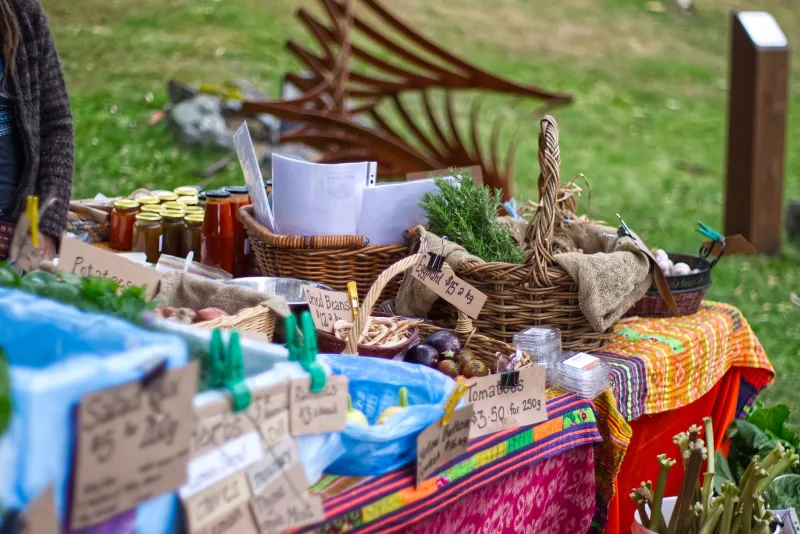
Farmers markets are the most accessible starting point for most homesteaders. They give you direct consumer feedback, help you understand what people will pay, and don't require the kind of commercial licensing that selling wholesale to stores typically does.
As you grow, look into local food co-ops, CSA-style farm shares, and restaurant relationships. Chefs at farm-to-table restaurants actively look for local dairy suppliers — and they'll often pay premium prices for consistent quality and a good story behind the product.
The homestead dairy business isn't glamorous in the early stages. There are early mornings, cleaning cycles, and batches that don't come out quite right. But the upside — real food independence, a genuine income stream, and a product your community genuinely values — makes it one of the most rewarding directions a working homestead can grow.