Sell What You Grow: How to Turn Homestead Surplus Into a Real Side Income
Most homesteaders hit the same wall eventually. The garden's going gangbusters, the goats won't stop producing, and the chest freezer is packed to the lid. You've gifted jars of jam to everyone you know, and there's still more coming. That's not a problem — that's an opportunity.
Building a value-added farm business doesn't mean selling out your self-sufficient lifestyle. It means making that lifestyle work a little harder for you. And the good news? Plenty of everyday homesteaders across the country are already doing it — quietly turning their surplus butter, tallow soap, dried herbs, and spiced jerky into meaningful monthly income without ever leaving the property.
Here's how to get started.
What Exactly Is a "Value-Added" Product?
A value-added product is anything you make from raw homestead goods that sells for more than the raw ingredient alone. Your goat's milk is worth maybe a few dollars a gallon. Turn it into a bar of lavender soap, and suddenly that same milk is worth $8 to $12 a bar — and customers will line up for it.
Common value-added products homesteaders sell include:
- Jams, jellies, and fruit butters made from orchard or garden harvests
- Herbal salves and body care products from homegrown medicinal plants
- Tallow or lard-based soaps from livestock processing
- Dried herbs, teas, and spice blends
- Smoked or cured meats and jerky
- Raw honey and beeswax candles
- Fermented foods like sauerkraut, kimchi, and hot sauce
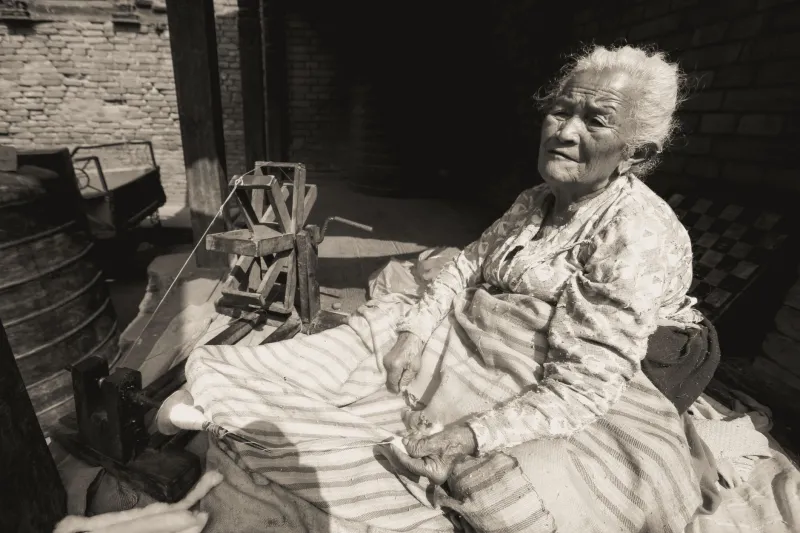
- Wool roving, hand-spun yarn, or felted goods
The beauty of value-added products is that they extend shelf life, reduce waste, and dramatically increase the dollar return on what you're already producing.
Know Your Regulations Before You Sell a Single Jar
This is where a lot of eager homesteaders stumble. Regulations around selling homemade food and farm products vary significantly by state, county, and sometimes even municipality. Skipping this step can cost you fines — or worse, force you to shut down a business you've worked hard to build.
Cottage Food Laws are your first stop. Every US state has some version of a cottage food law that allows home producers to sell certain non-hazardous foods without a commercial kitchen license. Typically, this covers high-acid or low-moisture products like jams, jellies, baked goods, dried herbs, and candy. States like Wyoming and Utah have some of the most permissive cottage food laws in the country, while others cap your annual revenue or restrict where you can sell (farmers markets only, for example, versus direct-to-consumer online).
Visit your state's Department of Agriculture website and search for "cottage food" or "home food processing" to find your specific rules. The Cottage Food Law map maintained by the Farm-to-Consumer Legal Defense Fund is also a solid resource.
Meat and dairy products face stricter oversight. Selling raw milk is legal in some form in roughly 30 states but heavily regulated in others. Processed meats typically require USDA inspection unless sold directly from your farm under specific exemptions. If jerky or cured meats are part of your plan, check USDA's guidelines for small and very small meat establishments.
Soap and body products fall under FDA cosmetic regulations, but the bar is relatively low for small producers — you don't need a license to sell handmade soap as long as you're not making drug claims about it.
Bottom line: do the homework upfront. A 30-minute call with your county extension office can save you a world of headaches.
Pricing Your Products Like a Business, Not a Hobby
One of the most common mistakes new homestead sellers make is underpricing their work. You're not just selling a jar of peach jam — you're selling hours of labor, years of experience, quality ingredients, and a story that a grocery store product simply cannot match.
A simple pricing formula to start with:
Cost of goods + labor + overhead + profit margin = selling price
For a batch of 12 jars of strawberry jam, add up your actual costs: berries, sugar, pectin, lids, jars, labels, propane or electricity, and any market fees. Then calculate how long it took you — and pay yourself something reasonable for that time. Add a markup for profit (typically 20–40% for handmade goods), and you've got your baseline price.
Don't be afraid to charge what your product is worth. Farmers market shoppers and direct-from-farm buyers are expecting to pay more than grocery store prices. They're paying for quality, locality, and authenticity. If your $10 jar of jam isn't selling, the problem usually isn't the price — it's the presentation or the story you're telling.
Where to Sell Your Goods
You've got more options than you might think:
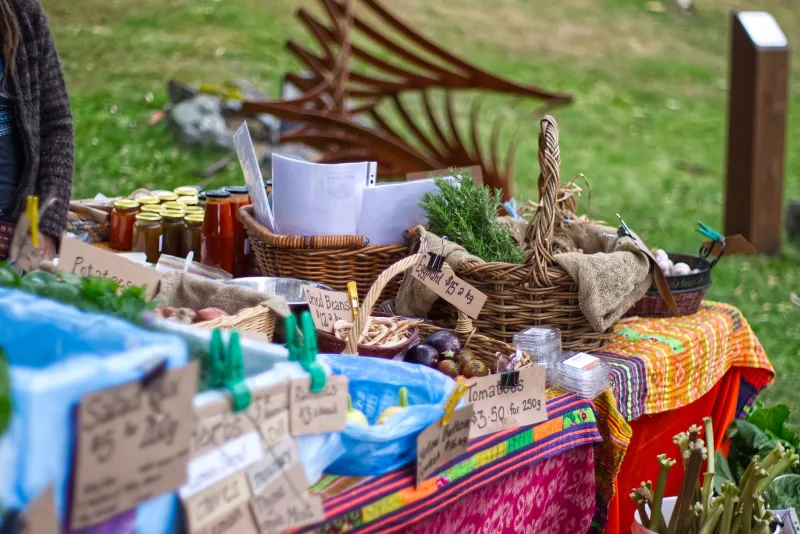
- Farmers markets are the classic starting point. They put you in front of motivated buyers and let you build a loyal customer base fast.
- Farm stands right on your property are low-cost and surprisingly effective, especially if you're on a well-traveled rural road.
- Social media and local Facebook groups have become genuinely powerful sales channels for homestead products. A simple post with good photos can move a lot of product fast.
- Online marketplaces like Etsy work well for non-food items — soaps, candles, fiber goods, and beeswax products all sell consistently there.
- Local co-ops, feed stores, and specialty grocers sometimes carry locally made goods on consignment or at wholesale. It's worth asking.
- CSA-style subscription boxes let your most loyal customers pre-pay for a seasonal share of whatever you produce — great for cash flow and planning.
Building the Business Without Losing the Lifestyle
Here's the real talk: it's easy to let a side hustle swallow the thing you built it around. If you're so busy filling soap orders that you've stopped tending the garden, something's gone sideways.
Set limits that protect your time and your homestead's rhythm. Decide upfront how many market days per month feel sustainable. Cap your production to what your land and your schedule can genuinely support. And reinvest some of that income back into infrastructure — a better canning setup, a commercial-grade dehydrator, or a small chest freezer — so that producing more doesn't mean working harder.
The homesteaders who make this work long-term aren't the ones chasing maximum revenue. They're the ones who've figured out which two or three products they love making, who their best customers are, and how to serve those customers consistently without burning themselves out.
Start Small, Stay Honest, Grow Steady
You don't need a business plan the size of a novel or a loan from the bank to get started. Pick one product you already make well. Learn your state's rules. Price it properly. Show up at one farmers market or post it in one local group. See what happens.
The homestead life has always been about building something real and lasting with your own two hands. Turning that work into income is just one more way of making sure it's sustainable — for your family, your land, and the years ahead.
And when the chest freezer's full again next fall, you'll know exactly what to do with it.