Shear to Skein: Building a Fiber-to-Yarn Operation Right on Your Homestead
There's something deeply satisfying about pulling on a wool sweater and knowing you raised the animal, sheared the fleece, and spun every last yard of yarn yourself. That kind of cradle-to-closet self-sufficiency is exactly what homesteading is all about — and fiber processing is one of the most overlooked ways to squeeze real value out of livestock you're already keeping.
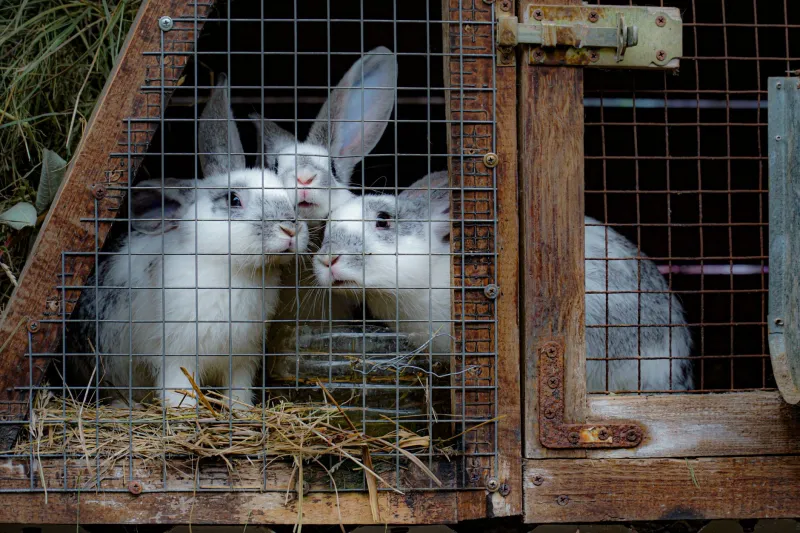
If you've got sheep, alpacas, or even angora rabbits on your property, you've already got the raw materials. What you need now is a plan for turning that fluffy, somewhat chaotic fleece into something you can actually use. This guide walks you through the whole process, from shearing day all the way to a finished skein of yarn.
Start With the Shear: Getting Clean Fleece
The quality of your finished yarn starts way before you ever touch a spinning wheel. It starts on shearing day. For most fiber breeds in the US, that means once a year — typically in late spring before temperatures climb.
If you're new to shearing, hire a professional shearer for your first few rounds. Watch closely, ask questions, and take notes. Many experienced shearers are happy to teach, especially if you're working with a small flock. Once you're comfortable with the process and your animals are used to handling, you can learn to do it yourself with a good pair of hand shears or electric clippers.
As the fleece comes off, try to keep it as intact as possible — what's called "skirting" comes next. That means pulling away the edges of the fleece: the belly wool, the leg pieces, and anything heavily stained or matted with vegetable matter. These sections aren't worth processing for yarn. Set them aside for the compost pile instead.
Store your skirted fleece in breathable bags — mesh laundry bags or old pillowcases work great. Avoid plastic, which traps moisture and invites mold.
Washing the Wool: Patience Pays Off Here
Raw fleece is full of lanolin, dirt, and whatever else your animals rolled around in. Before you can spin it, it needs a good wash — but wool is temperamental, and the wrong approach will leave you with a felted, unusable mess.
The key rules: hot water, no agitation, and slow temperature changes.
Fill a large basin or your utility sink with the hottest tap water you've got, then add a squirt of original Dawn dish soap or a dedicated wool wash. Submerge your fleece, press it down gently, and let it soak for 20 to 30 minutes. Don't stir it, don't squeeze it, don't move it around. Just let the water do the work.
Drain, refill with water at the same temperature, and rinse. Repeat until the water runs mostly clear. Then let it drain and air dry on a mesh rack or old window screen. Give it a full 24 hours before you move on.
Alpaca fiber is a little more forgiving — it doesn't have lanolin, so it's easier to wash and dries faster. If you're just getting started with fiber processing, alpaca is honestly a great place to begin.
Carding: Turning Fluff Into Something Workable
Once your fiber is dry, it's time to card it. Carding aligns the fibers so they'll draft evenly when you spin. You've got a couple of options here.
Hand cards look like oversized pet brushes with wire teeth. You load a small amount of fiber onto one card, then draw the other across it in long strokes, transferring the fiber back and forth until it's aligned and airy. The result is a rolag — a soft little cylinder of fiber you can spin directly from.
Drum carders are a step up in both speed and investment. They're great if you're processing fleece from a larger flock or want to blend fibers and colors. A decent drum carder runs anywhere from $150 to $400, but if you're serious about homestead fiber production, it pays for itself fast.
For very fine fibers like alpaca or fine merino, you might prefer combing instead of carding. Combs create a smoother, more aligned preparation called top, which produces a silkier finished yarn. It's a bit more technical but worth learning.
Learning to Spin: The Wheel vs. the Drop Spindle
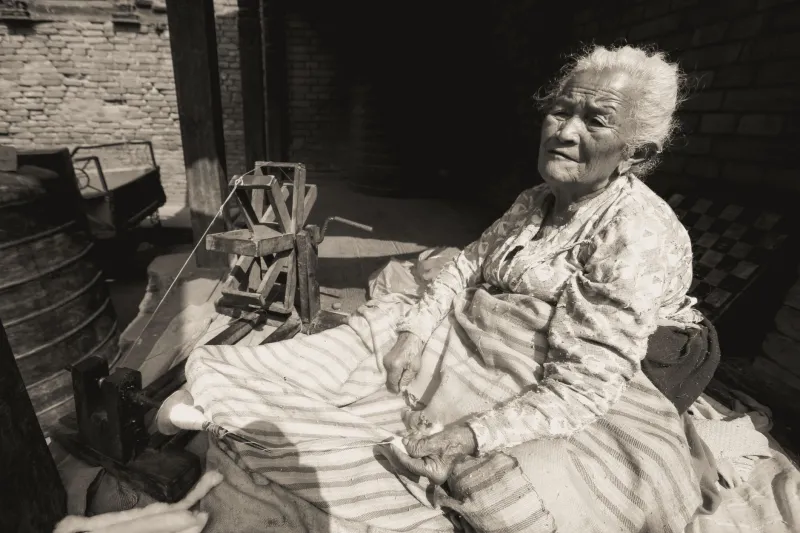
Here's where the magic happens. Spinning is the process of drafting (pulling apart) your prepared fiber and adding twist to lock those fibers together into yarn.
If you want to start cheap and low-commitment, grab a drop spindle. They run $15 to $40, they're portable, and they'll teach you the fundamentals of drafting and twist without a big upfront investment. Plenty of homesteaders spin beautiful yarn exclusively on drop spindles — don't let anyone tell you it's just for beginners.
When you're ready to scale up, a spinning wheel is a game-changer for productivity. Traditional wheels like the Ashford Traveller or the Schacht Ladybug are popular among American homesteaders for their reliability and ease of use. Expect to spend $500 to $900 for a new wheel, though used wheels in good condition pop up at estate sales and online marketplaces regularly.
Spinning takes practice — plan on a few frustrating sessions before it clicks. But once it does, it really clicks. Most beginners are spinning usable yarn within a few weeks of consistent practice.
Finishing Your Yarn
After spinning, your yarn needs to be "set" — a quick wash in warm water and a gentle snap to even out the twist. Wind it into a skein using a niddy noddy or the back of a chair, tie it loosely in a few places, then wash and hang it to dry with a light weight attached to help it relax.
Once dry, you've got real, homegrown yarn. Label your skeins with the animal name, the shearing date, and the fiber weight if you know it. These details matter when you're knitting or weaving and need consistency across a project.
Making It Work on Your Homestead
You don't need a dedicated fiber studio to make this work. A corner of a barn, a spare room, or even a well-organized garage can house your washing setup, a drum carder, and a spinning wheel without much fuss.
Start small — process one fleece completely before you tackle a whole season's clip. Learn what your animals produce, how it handles, and what kind of yarn it wants to become. Some fleeces are soft enough for next-to-skin garments; others are better suited for rugs, baskets, or outerwear.
The real payoff here isn't just the yarn. It's the full loop — from the animal in your pasture to the finished object in your hands. That's the kind of self-sufficiency that makes homesteading more than just a lifestyle. It makes it a legacy.