Raise It, Sell It, Keep It Legal: How to Build a Meat Business Right Off Your Homestead
You've already done the hard part. You raised the animals, managed the pasture, and put real time and care into producing meat that store-bought product simply can't match. Now you're sitting on a freezer full of quality protein — and maybe wondering whether other families in your area would pay good money for it.
The answer is almost certainly yes. Demand for locally raised, pasture-finished meat has never been stronger. But before you start posting on Facebook Marketplace or setting up a roadside cooler, you need to understand the legal landscape. Selling meat isn't quite as simple as selling vegetables or eggs. The good news? There are real pathways — even for small homesteaders — that don't require you to build a USDA-inspected facility in your backyard.
Why Direct-to-Consumer Meat Sales Are Worth the Effort
When you sell direct, you cut out the middleman completely. No processor taking a cut, no grocery store markup, no commodity pricing dragging your value down to nothing. A pasture-raised whole chicken that costs you a few dollars to raise can sell for $6–$10 per pound at the farm gate. A half hog sold direct often brings in $4–$6 per pound hanging weight — far above what commodity markets pay.
Beyond the money, direct sales build something that big ag can't replicate: relationships. When customers know your name, visit your farm, and watch how you raise your animals, they become loyal buyers who come back season after season and refer their friends. That's a business model worth building.
Understanding the Legal Foundation: USDA Exemptions
Federal law requires that most commercially sold meat pass through a USDA-inspected facility. But Congress built in several exemptions specifically to support small and family farms — and those exemptions are where most homestead meat businesses operate.
The 1,000-Bird Exemption (Poultry): Under the Poultry Products Inspection Act, producers who raise and slaughter fewer than 1,000 birds per year are exempt from USDA inspection when selling directly to consumers. This means you can process your own chickens, turkeys, ducks, and other poultry on-farm and sell them without a licensed facility — as long as you're selling direct and staying under that threshold. Some states have expanded this to 20,000 birds with state-level oversight, so check your local rules.
The Rabbit Exemption: Rabbits aren't classified as poultry or red meat under federal law — they fall into their own category. As a result, they're largely unregulated at the federal level for direct sales. Most states allow on-farm rabbit processing and sales with minimal licensing requirements, making rabbit one of the most homestead-friendly meats to sell.
Custom Exempt Processing (Beef and Pork): For larger livestock like cattle and hogs, the path is a little different. Under the "custom exempt" designation, animals can be processed at a USDA-registered (but not fully inspected) facility and returned to the owner — but that meat cannot legally be sold. The workaround most small producers use is selling the live animal or selling shares of the animal (like a half or quarter beef) before slaughter. The buyer technically owns the animal at the time of processing, so the resulting meat is theirs. This is completely legal and widely used across the country.
State Laws Matter — A Lot
Here's where things get complicated in the best possible way: states have a huge amount of flexibility in how they regulate small farm meat sales, and many have created their own expanded exemptions that go well beyond federal minimums.
- Wyoming, Montana, and several other western states have passed "meat freedom" or "farm-to-table" laws that allow direct sales of state-inspected or even uninspected meat under certain conditions.
- Missouri, Tennessee, and Georgia have relatively producer-friendly frameworks for on-farm poultry processing and direct sales.
- California and New York have more restrictive environments, though direct farm sales and buying clubs can still work within the law.
Before you sell a single pound, contact your state department of agriculture and your county extension office. Ask specifically about: on-farm slaughter rules, direct-to-consumer exemptions, labeling requirements, and any local zoning considerations. This one conversation can save you from a costly mistake and might reveal opportunities you didn't know existed.
Setting Your Prices Without Selling Yourself Short
One of the biggest mistakes new farm-direct sellers make is underpricing. You are not competing with Walmart. You're offering something Walmart genuinely cannot: transparency, quality, and a story.
A solid pricing approach factors in:
- Feed and input costs (don't forget to include your time)
- Processing fees if you're using a custom facility
- Packaging (vacuum-sealed bags, freezer paper, labels)
- Your margin — aim for at least 30–40% above your total cost of production
Research what other direct-farm producers in your area are charging. Join your state's sustainable agriculture network or local farm bureau — they often have pricing guides and can connect you with other producers who are willing to share what's working for them.
Building Your Customer Base
You don't need a slick website or a big marketing budget to get started. Most successful homestead meat sellers build their customer base through:
- Word of mouth and community networks — church groups, homeschool co-ops, and neighborhood apps like Nextdoor are gold
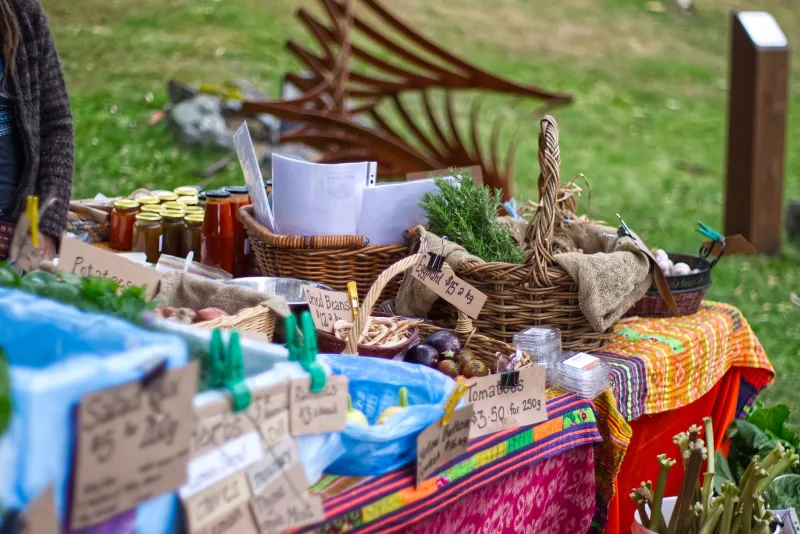
- Farmers markets — check your local market's rules on meat sales, as requirements vary
- Farm email lists — collect emails from every interested customer and send seasonal availability updates
- Buying clubs and CSA-style subscriptions — offer a monthly or quarterly meat share for a predictable income stream
- Social media — a simple Facebook page with photos of your animals and your farm goes a long way toward building trust
Be upfront about how your animals are raised. Customers who seek out direct farm purchases want to know the details — what the animals eat, how they're housed, and how they're processed. That transparency is your biggest competitive advantage.
Scaling Smart Without Losing What Makes You Special
It's tempting to scale fast once orders start coming in, but grow deliberately. Adding 50 more broilers or a second litter of hogs is manageable. Tripling your operation overnight can destroy your margins and your sanity.
A smarter approach is to build a waitlist. If demand exceeds supply, that's a good problem — and a waitlist signals to customers that what you're offering is worth waiting for. It also gives you time to plan your next production cycle responsibly.
As you grow, consider forming relationships with a USDA-inspected processor in your region. Once you're ready to sell retail cuts or supply restaurants, that relationship will be essential. Many small processors are actively looking for local producers — it's a mutually beneficial partnership worth cultivating early.
The Bottom Line
Building a direct-to-consumer meat business on your homestead is one of the most rewarding ways to generate real income from land you're already working. The regulatory framework, while it takes some learning, is genuinely designed with small producers in mind. Know your exemptions, price your product fairly, and invest in customer relationships — and you'll have a business that grows as steadily as your herd.
Your neighbors are already looking for what you're raising. It's time to let them find you.