Your Year-Round Preservation Playbook: A Month-by-Month Guide to Canning, Fermenting, and Drying Everything Your Homestead Grows
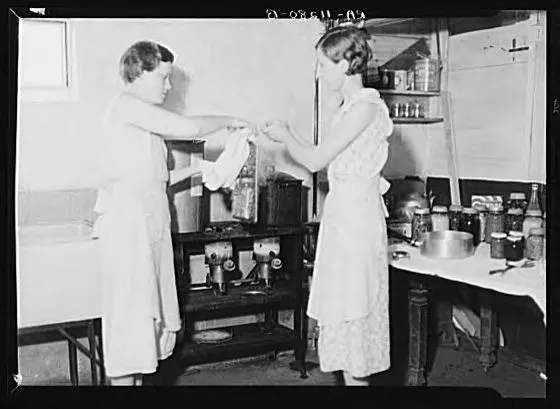
Photo: Mydans, Carl, Public domain, via Wikimedia Commons
Ask any experienced homesteader what their biggest rookie mistake was, and a solid percentage will tell you some version of the same story: they grew more food than they knew what to do with, panicked when it started coming in all at once, and watched a good chunk of it go to waste before they could figure out what to do with it.
Preservation isn't complicated—but it does require a plan. The goal of this guide is simple: never again look at a bushel of tomatoes or a pile of zucchini and feel overwhelmed. Instead, you'll know exactly what to do, when to do it, and how to turn every harvest into something that feeds your family long after the growing season ends.
Let's walk through the calendar, month by month.
January & February: Rest, Restock, and Root Cellar Check
Winter is your planning season. The preserving work is mostly done, but don't get complacent.
- Inventory your pantry. Pull everything out and take stock. What did you run out of by December? What are you still sitting on too much of? This shapes your garden plan for spring.
- Check root cellar stores. Potatoes, carrots, beets, winter squash, and cabbage need attention. Remove anything that's starting to soften or show mold before it spreads.
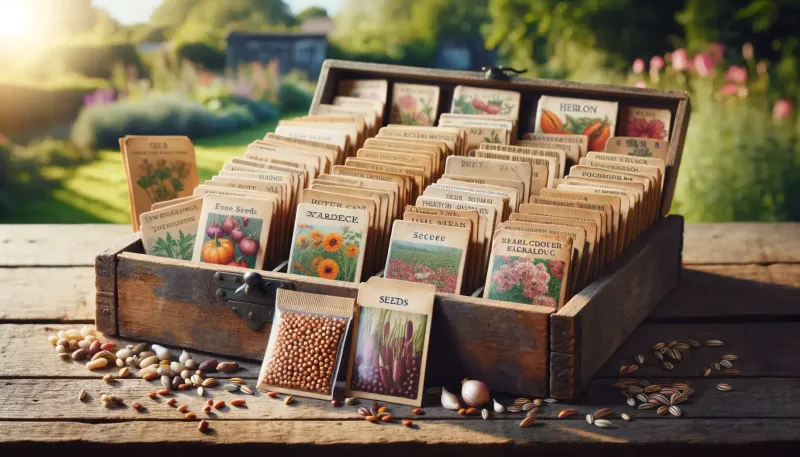
- Order seeds and supplies. Restock canning lids, fermenting weights, dehydrator sheets, and any other gear you burned through last season.
- Make bone broth. If you butchered animals in the fall, now's a great time to simmer those bones and pressure-can rich broth for the months ahead.
March: Maple Season and Early Greens
In much of the northern US, March means maple sap runs—and that means syrup. If you've got maple trees on your property, this is a short, intense window.
- Maple syrup: Boil down sap and store finished syrup in sterilized mason jars. Water-bath can pints and quarts at 190°F for 10 minutes for shelf-stable storage.
- Foraged greens: Depending on your region, early dandelion greens, ramps, and nettles may be popping up. Blanch and freeze nettles; dry dandelion root for tea; ferment ramps in a simple salt brine for a punchy condiment.
April & May: Asparagus, Herbs, and Early Harvests
Things start moving fast in spring. Stay ahead of it.
- Asparagus: Pickle it. A quick water-bath pickle with garlic, dill, and red pepper flakes turns fresh spears into a pantry staple. Process pint jars for 10 minutes.
- Fresh herbs: Spring herb growth is explosive. Dry oregano, thyme, and sage by bundling and hanging in a warm, airy space. Freeze basil and parsley as herb cubes in olive oil using ice cube trays.
- Rhubarb: Chop and freeze for later pies and sauces, or make a simple rhubarb jam and water-bath can it.
- Strawberries (late May in many zones): Don't let them sit. Make jam, dehydrate slices for snacking, or freeze whole berries on a sheet pan before bagging them.
June: Berry Season Begins
June is jam month in most of the US. Embrace it.
- Strawberry jam: The classic. Use a tested recipe, process half-pint jars in a water-bath canner for 10 minutes, and make more than you think you need. It disappears fast.
- Mulberries: Often overlooked, but incredibly productive. Freeze, make syrup, or ferment into a simple country wine.
- Garlic scapes: Pickle them or blitz into a fermented scape paste with salt. Excellent on eggs, meat, and vegetables all winter.
- Fermentation note: June's warm temperatures make it ideal for lacto-fermentation. Start a batch of fermented garlic honey—just peel fresh cloves, cover with raw honey, and let it sit loosely lidded for a month. Incredible on a charcuterie board.
July: The Big Push Begins
This is when homesteaders earn their keep. The garden is going full throttle.
- Blueberries and blackberries: Freeze, dehydrate, or make jam. Dehydrated berries are great for trail mix and oatmeal all winter.
- Green beans: Pressure can them (10 PSI, 20 minutes for pints) or ferment in a dilly bean brine. Both are excellent.
- Cucumbers: Pickle season is here. Bread-and-butter pickles, dill spears, and fermented half-sours are all worth making in quantity.
- Summer squash: Dehydrate slices for soups and stews, or shred zucchini and freeze in 2-cup portions for baking all year.
- Herbs: Keep drying. You'll never regret having too many dried herbs come February.
August: Tomato Season—All Hands on Deck
August is the month that separates serious homesteaders from casual gardeners. Tomatoes wait for no one.
- Crushed tomatoes: Water-bath can with added lemon juice or citric acid for safety. Quarts take 45 minutes; pints take 35.
- Tomato sauce and paste: Roast tomatoes in the oven with olive oil and garlic, blend, and can. Or go low and slow on the stove for rich paste—freeze in ice cube trays for easy portioning.
- Salsa: Use a tested recipe for safe water-bath canning. Don't improvise the ratios on salsa—the balance of acid matters.
- Peppers: Roast and freeze bell peppers in strips. Dry hot peppers whole on a string, or smoke and dry them into homemade chipotle-style peppers.
- Corn: Blanch ears for 4 minutes, cut kernels off, and freeze flat on sheet pans before bagging. Pressure can cream-style corn for shelf stability.
September: Root Vegetables, Apples, and the Long Game
The harvest is shifting toward heavier, heartier produce. Storage becomes as important as processing.
- Apples: Applesauce and apple butter are water-bath canning staples. Dehydrate rings for snacking. Press cider and ferment it into hard cider or apple cider vinegar—the latter is worth making in volume for homestead use.
- Potatoes, carrots, beets: Cure potatoes in a warm space for two weeks before moving to cold storage. Pack carrots and beets in damp sand in the root cellar.
- Cabbage: Start a big crock of sauerkraut now. Pack shredded cabbage with 2% salt by weight, weigh it down, and let it ferment at room temperature for 3–6 weeks. It'll be ready right when you want it most.
- Winter squash: Cure on the vine as long as possible, then store whole in a cool, dark space. Most varieties keep 3–6 months without any processing at all.
October & November: Meat, Fat, and the Final Push
For many homesteaders, fall butchering wraps up the preservation calendar in a big way.
- Pressure-can meat: Chicken, pork, and beef can all be pressure-canned in chunks for easy weeknight meals. 75 minutes for pints, 90 for quarts at 10 PSI.
- Render lard or tallow: Don't throw away that fat. Rendered lard from pork or tallow from beef stores for months in the refrigerator and indefinitely in the freezer—and it's one of the best cooking fats you'll ever use.
- Salt-cure bacon or ham: A dry salt cure with sugar, salt, and spices rubbed over pork belly or shoulder, left in the fridge for 7–10 days, then cold-smoked, produces something that no grocery store can match.
- Dry beans: Shell any dry beans you grew and store in airtight jars. They'll last years.
December: Close the Loop
December is for enjoying what you built. Pull jars off the shelf, open that crock of sauerkraut, slice into the cured bacon. This is what it's all for.
Take notes on what worked. What did you run out of? What are you swimming in? That information is gold for planning next year's garden and preservation schedule.
The Bottom Line
A full pantry in December doesn't happen by accident—it happens because you worked the plan from January through November. Preservation isn't a single event; it's a rhythm you build into your homestead life, month by month, season by season.
At Homestead Stores, we carry the tools that make this kind of work possible: water-bath canners, pressure canners, fermentation crocks, dehydrators, vacuum sealers, and everything in between. Because we believe that a well-stocked pantry isn't just convenient—it's freedom.